
Author: Business Physics
-
What Must Remain Human?
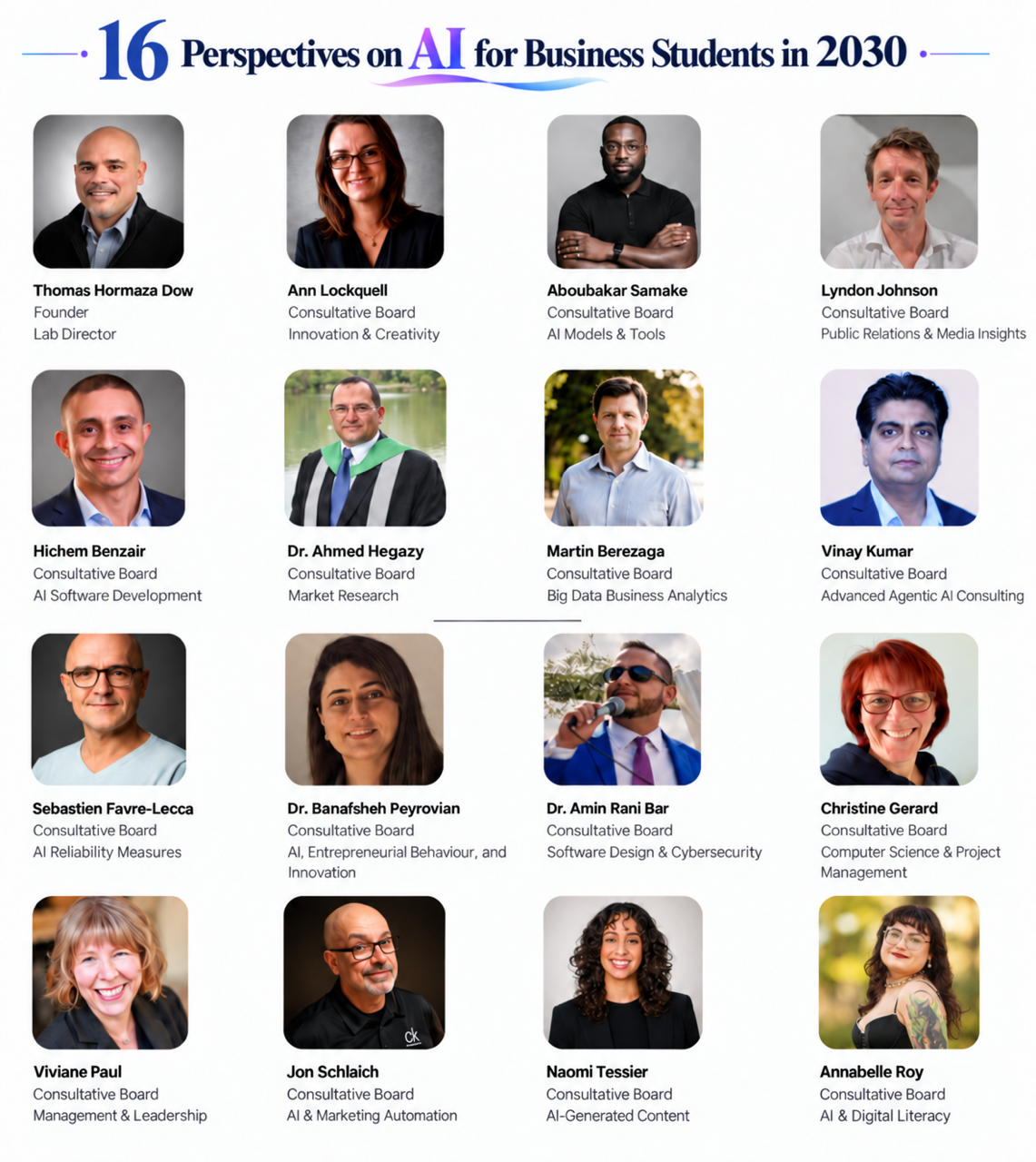
Rethinking Business Education for 2030: A Collective Article by the Business Physics AI Lab Authors: This article was written collectively by sixteen members of the Business Physics AI Simulation Lab: Thomas Hormaza Dow (Founder and Lab Director), Vinay Kumar (Advanced Agentic AI Consulting), Sebastien Favre (AI Reliability Measures), Ann Lockquell (Innovation and Creativity), Dr. Banafsheh…
-
AI Pricing Simulation
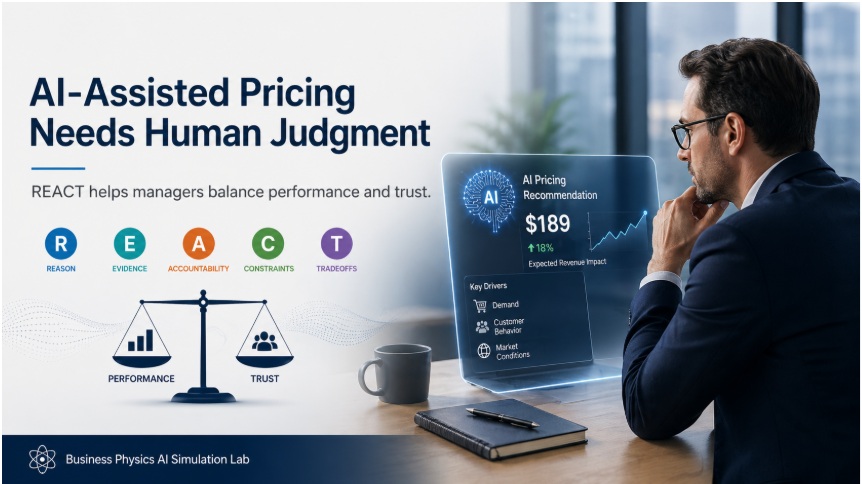
Algorithmic Pricing Is Not Just a Pricing Problem, it Is a Management Judgment Problem How REACT can help managers make better decisions when AI-assisted tools influence price, trust, and customer value An opinion piece from the Team at the Business Physics AI Simulation Lab AI-assisted pricing requires better managerial judgment AI-assisted tools are changing how…
-
How to Choose the Right CRM
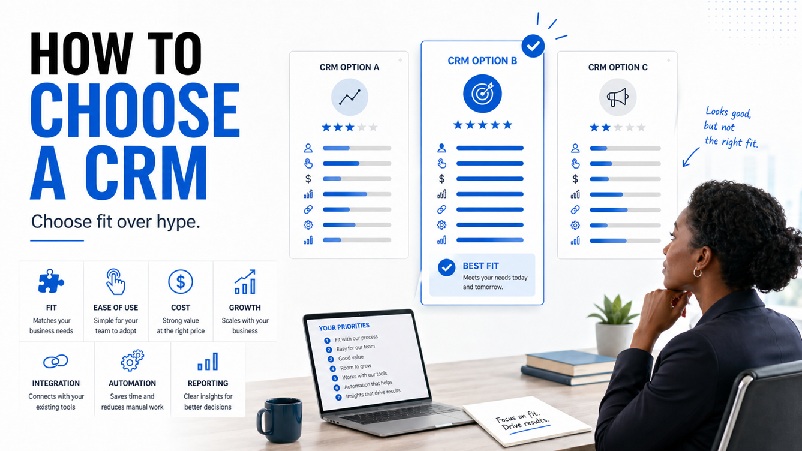
Business Physics AI Simulation Lab The following is a Human-Agentic-AI Report Created in the Business Physics AI Simulation Lab (BusinessPhysics.AI). It is a current, source-backed comparison for small businesses, entrepreneurs, students, and non-technical decision-makers. This Document is for Educational Purposes Only. CRM choice is a fit decision Choosing a CRM can feel more complicated than…
-
Learning Synthesis, AI, and the Hidden Handshake of Business Education
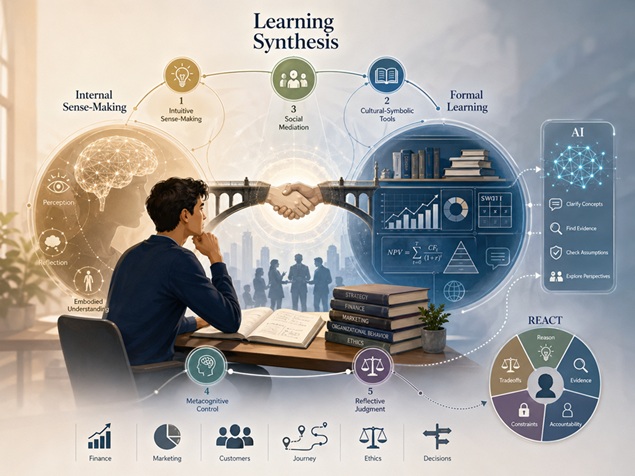
Internal Sense-Making, Cultural-Symbolic Learning, REACT, and the Development of Professional Judgment Professor Thomas Hormaza DowBusiness Physics AI Lab Abstract This article proposes Learning Synthesis as a practical framework for understanding how business college students develop professional judgment in an AI-rich learning environment. The article argues that learning is not merely the acquisition of external information…
-
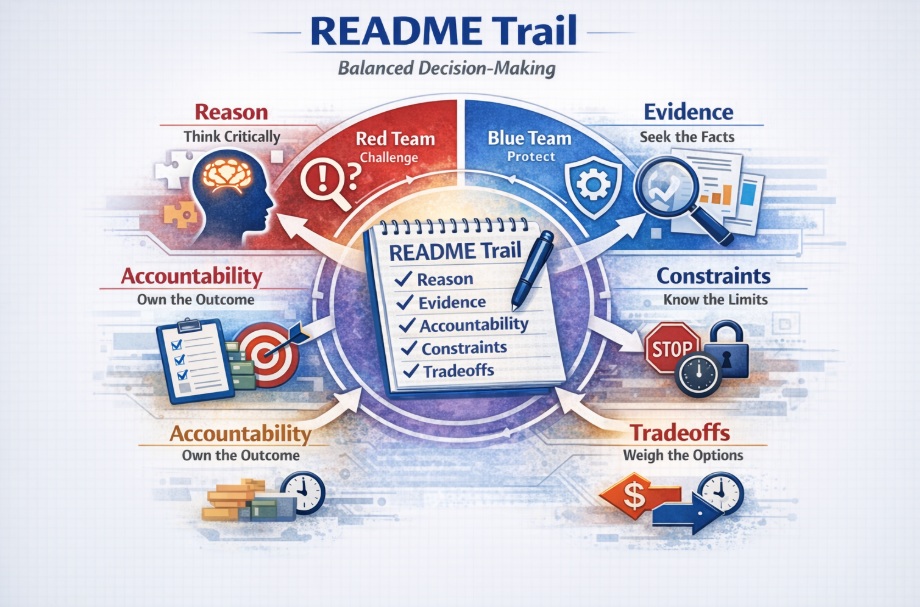
Purple Team Trail: Work with AI
The following is a series of exchanges by members of the Business Physics AI Lab Team: Thomas Hormaza Dow, Vinay Kumar, Hichem Benzair, Aboubakar Samake, Ann Lockquell as well as our AI Agents, Charlie and Lena. How the Business Physics AI Lab preserves judgment in human–AI software development Many teams are now using AI to generate…
-
Teaching Judgment in the Use of AI Now Matters More Than Ever
Anthropic’s March 5, 2026 report, Labor market impacts of AI: A new measure and early evidence, offers an important message for business education: AI is not yet producing clear, economy-wide unemployment shocks, but it is already reshaping the kinds of tasks performed in white-collar work and may be affecting entry points into some exposed professions.…
-
Will AI Take My Job?
The AI Career Question Everyone’s Asking… and the Better One We Should Ask Instead “Will AI take my job?” It’s a fair question. It just points at the wrong thing to focus on. Skills you Need for Human-AI Complementarity from 2026-2030 Because work is not one solid object called a “job.” Work is a bundle…
-
Stronger AI Requires Stronger Human Judgment
A Business Physics AI Lab statement for students, educators, and business leaders At the Business Physics AI Lab, we believe students should learn to see AI clearly. We should not treat advanced AI as magic. We should also not reduce it to fear. A better starting point is to understand AI as a fast-changing set…
-
Capturing Human–AI Complementarity in Computer Science
Beyond Vibing in Computer Science: capturing human–AI complementarity skills you can share and collaborate on Most of us start by “vibing” with AI: try a few prompts, take what looks good, ship it. Fine for tinkering, weak for teams. If you want repeatable quality, knowledge sharing, and real collaboration, make your practice visible. 1) Name…
-
Understanding AI Hallucinations
AI hallucinations are a modern artificial intelligence problem that makes AI models generate incorrect, fabricated, or nonsensical information. Let’s find out why this happens and why they matter. What are AI Hallucinations? AI hallucinations happen when AI systems produce content that has no basis in their training data or doesn’t align with reality. These errors aren’t random…
 English
  Arabic
  Chinese
  French
  Hindi
Hindi  Portuguese
  Spanish